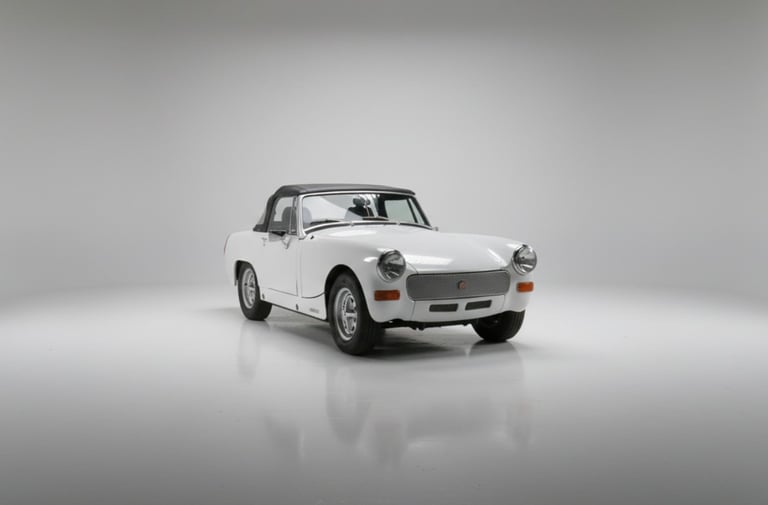
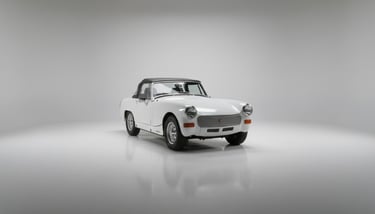
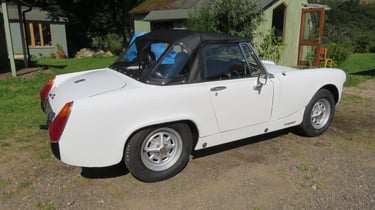
1978 MG Midget 1500
The MG Midget name carries deep roots in British motoring history, first appearing with the MG M-Type Midget of the late 1920s. When the modern MG Midget was launched in 1961, it revived that historic name for a new generation, offering an affordable, lightweight sports car built around enjoyment rather than excess. Based closely on the Austin-Healey Sprite, the Midget quickly became a cornerstone of MG’s range and remained in production for nearly two decades.
Throughout its life, the Midget evolved significantly. Engine capacities steadily increased from 948cc through to 1275cc, reflecting rising expectations for performance and usability. The most dramatic—and controversial—change came in 1974 with the introduction of the MG Midget 1500, a model shaped heavily by tightening safety and emissions regulations, particularly in the United States, MG’s most important export market.
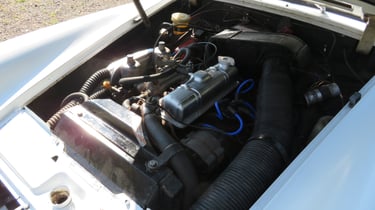
To meet new low-speed impact requirements, large rubber bumpers were fitted, along with a raised ride height to comply with headlamp height rules. These changes gave the late Midget a very different appearance compared to earlier chrome-bumper cars. At the same time, the familiar BMC A-series engine was replaced with a Triumph-sourced 1493cc unit, also used in the Spitfire and Dolomite. This decision proved contentious, as Triumph was a direct market rival, but it allowed MG to meet emissions standards while maintaining respectable performance.
Although the 1500 produced a similar peak power output to the outgoing 1275, it delivered noticeably stronger torque, making the car more flexible and easier to drive in modern traffic. The inclusion of an synchromesh gearbox was another improvement, enhancing drivability. In period, MG claimed a top speed of around 101 mph (163 km/h), officially making the Midget 1500 a genuine 100-mph sports car—an impressive achievement for a small, affordable roadster of the era.
The 1500 was also the most heavily revised MG of its time, and not without drawbacks. The tighter engine bay led to increased under-bonnet temperatures, which affected long-term reliability in some cases, particularly when compared to the famously robust A-series engines. Despite this, the Midget 1500 proved commercially successful, with over 72,000 examples produced between 1974 and 1979, confirming strong demand right up to the end of production.
When new, the MG Midget 1500 was attractively priced. In 1975, it cost £1,559 placing it firmly within reach of enthusiasts seeking an entry into sports car ownership. Today, values remain relatively accessible, which has helped preserve the model’s popularity. In the UK market, usable examples typically sit in the £5,000–£8,000 range, while well-restored or sympathetically improved cars can command £10,000–£12,000 or more, depending on condition and originality.
Gallery
Click to view in large.

In historical terms, the MG Midget 1500 represents the end of a philosophy: the last of MG’s truly small, traditional, rear-wheel-drive sports cars. It stands at the crossroads between the classic British roadster era and the more regulated, safety-conscious automotive world that followed. Love it or debate it, the 1500 remains a vital part of MG’s story.
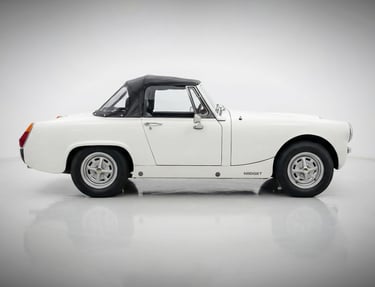
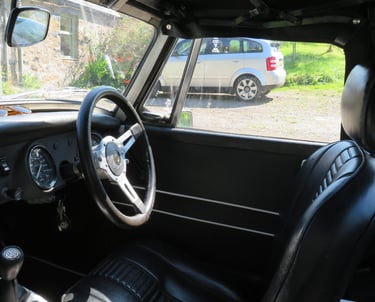
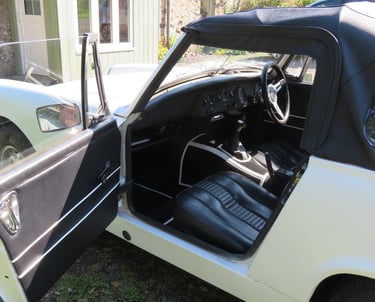
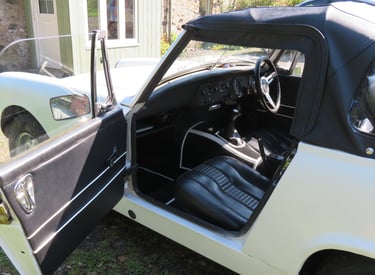
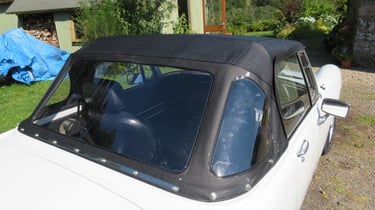
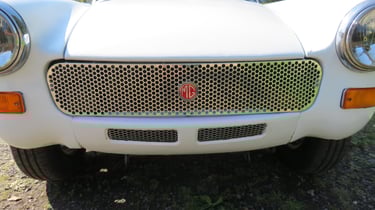
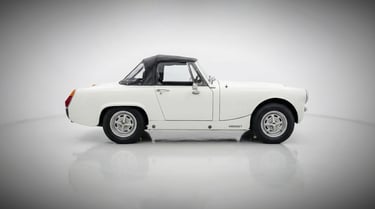
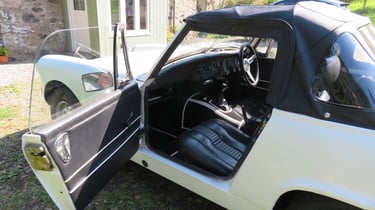
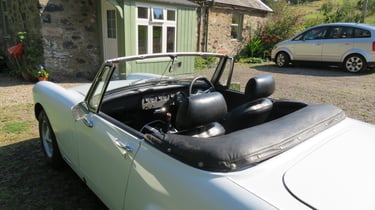
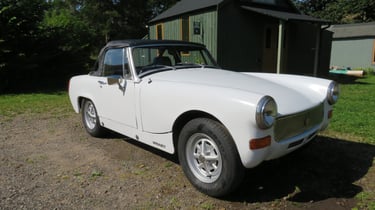
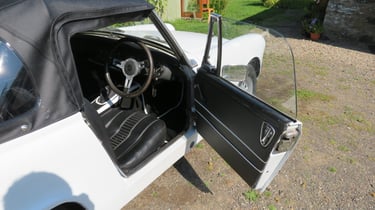
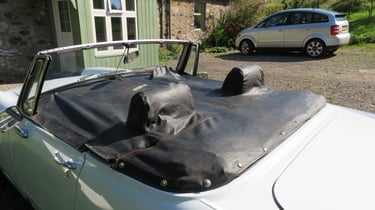
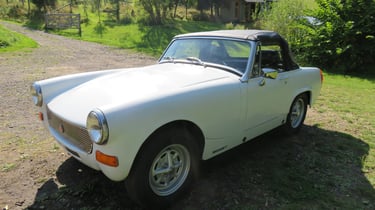
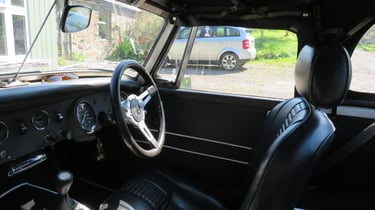
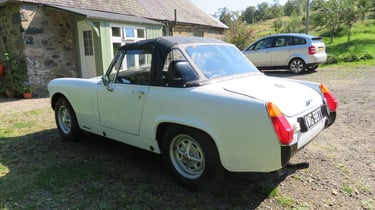
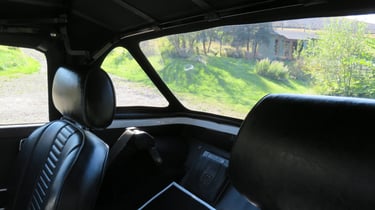
The example displayed here reflects a common modern interpretation of the model, with the rubber bumpers removed to return the car visually closer to earlier Midgets while retaining the mechanical character of the 1500. As such, it serves as a representative piece in this garage museum—illustrating both the evolution of the MG Midget and the wider changes that shaped British sports cars in the 1970s.
Click to Watch Video